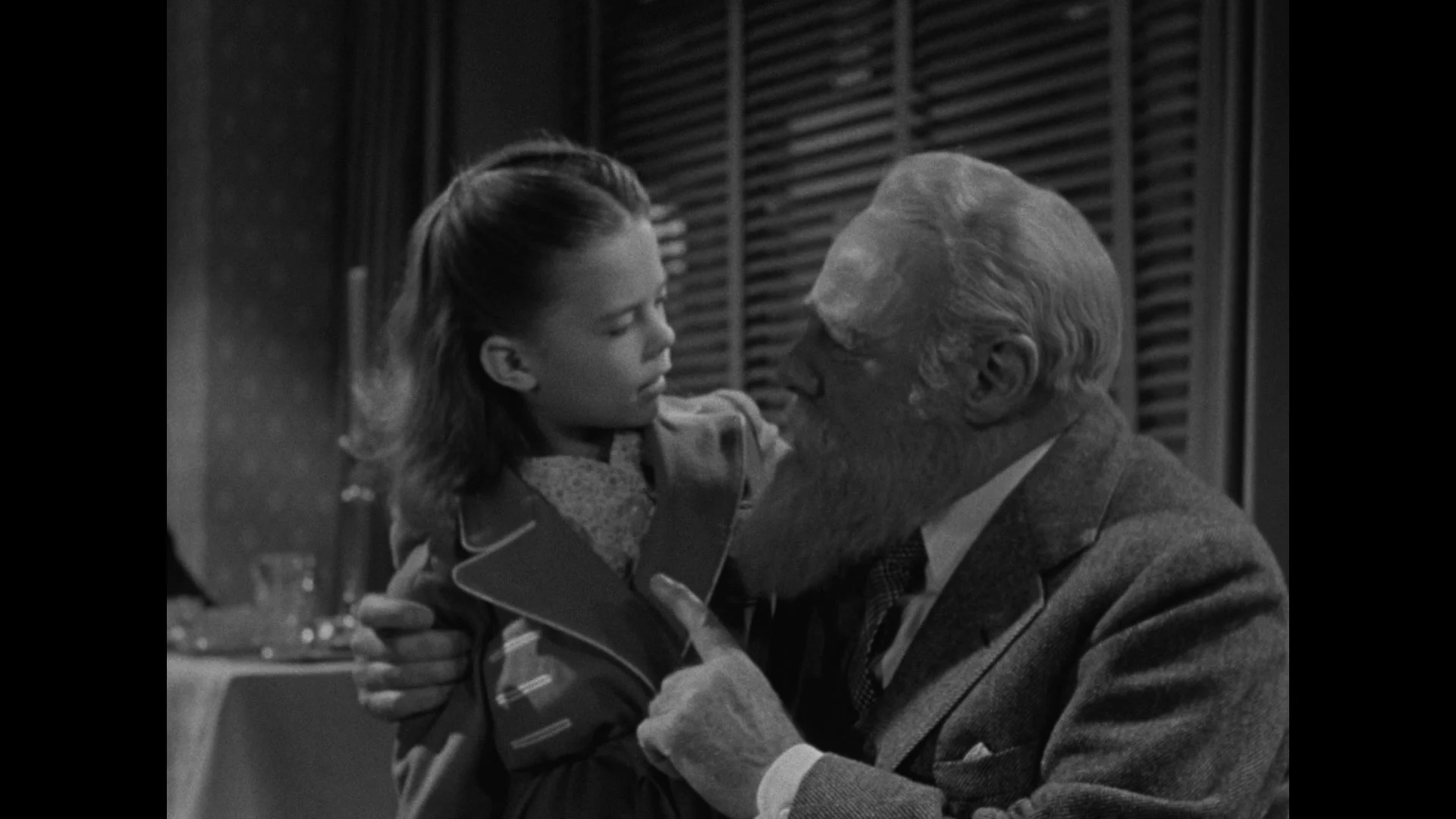
The Court Case That Proved Santa Is Real (Obviously)
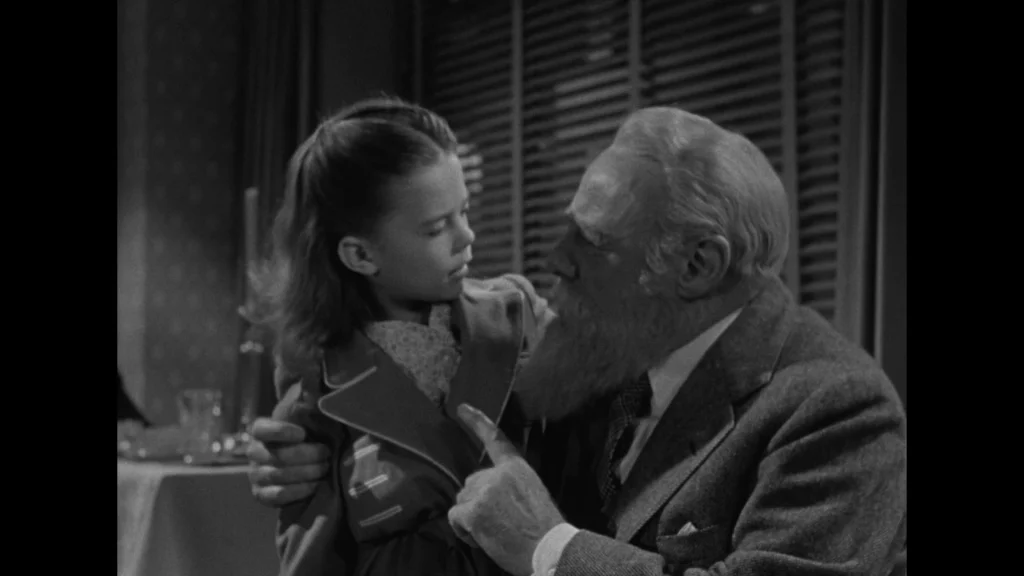
Some Christmas movies make you believe in Santa with magic, music, or spectacle. Miracle on 34th Street (1947) does it with paperwork, courtroom testimony, and one impeccably polite old man who may or may not be the real thing. And somehow, that makes it even more convincing. This movie doesn’t shout its message—it calmly presents its case, smiles kindly, and lets you decide for yourself. Spoiler alert: by the end, most people are fully on board with Santa.
The story begins at the Macy’s Thanksgiving Day Parade, already grounding the film in real-world New York City. That choice matters. This isn’t a story floating in fantasy—it’s rooted in reality from the very first scene. When Kris Kringle steps in to replace a drunk Santa at the parade, he does so with such calm authority and warmth that you instantly understand why everyone around him starts to believe. He doesn’t try to convince anyone. He just is.
Edmund Gwenn’s performance as Kris Kringle is the heart and soul of the movie. He’s gentle without being soft, confident without being smug, and kind without ever feeling sugary. This version of Santa doesn’t wink at the audience or play for laughs. He behaves exactly how you imagine Santa should behave—patient, fair, and quietly wise. Watching him interact with children, coworkers, and skeptics alike feels like watching someone who truly understands people.
What really elevates Miracle on 34th Street is its perspective on belief. Doris Walker, played by Maureen O’Hara, is a practical, modern mother raising her daughter Susan to rely on facts, logic, and realism. Doris isn’t cold or cruel—she’s protective. She wants to shield her child from disappointment. And that makes her skepticism understandable. This isn’t a movie about cynical adults crushing wonder; it’s about adults who’ve been hurt trying to prevent that pain from passing on.
Susan, meanwhile, is one of the most believable child characters in any Christmas film. She’s curious, thoughtful, and quietly yearning for something more than the world she’s been taught to accept. Her gradual openness to believing—not just in Santa, but in possibilities—is where the film’s emotional magic really lives. It’s not forced. It unfolds naturally, through observation rather than persuasion.
Then comes the courtroom sequence—the part that turns this movie into a Christmas legend. Watching Santa Claus put on trial for his own existence sounds ridiculous… until you see how seriously the film takes it. The legal arguments, the witnesses, the strategy—it’s all played straight. And that’s why it works. The film doesn’t mock the idea of proving Santa’s existence through law; it embraces it. And when the postal service becomes the unlikely hero, delivering mountains of letters addressed to Santa Claus, the moment lands with triumphant delight.
Rewatching this movie now, what stands out most is how intelligent it is. It respects its audience. It understands that belief isn’t something you can demand—it’s something people arrive at when given space, kindness, and trust. The film never insists Santa is real. It simply suggests that the world might be better if we leave room for that possibility.
Visually, the black-and-white cinematography adds to the charm. New York feels alive but intimate. Department stores feel warm instead of corporate. Courtrooms feel dramatic without being intimidating. There’s a coziness to the whole thing that modern films sometimes struggle to replicate. It feels like a Christmas movie made for people, not demographics.
And the ending—subtle, hopeful, and quietly triumphant—perfectly captures the film’s spirit. There’s no flashy reveal. No big magical explosion. Just a moment of recognition that belief and reality don’t always have to be enemies. Sometimes they can coexist beautifully.
Every time I revisit Miracle on 34th Street, it reminds me that Christmas magic doesn’t have to be loud. It can be thoughtful. It can be patient. It can even be argued in court—if necessary. And in a world that often feels skeptical by default, that message still feels incredibly comforting.
So yes—this is the court case that proved Santa is real. Obviously.